Bone Pin for Orthopedic Stability and Surgical Precision
Wiki Article
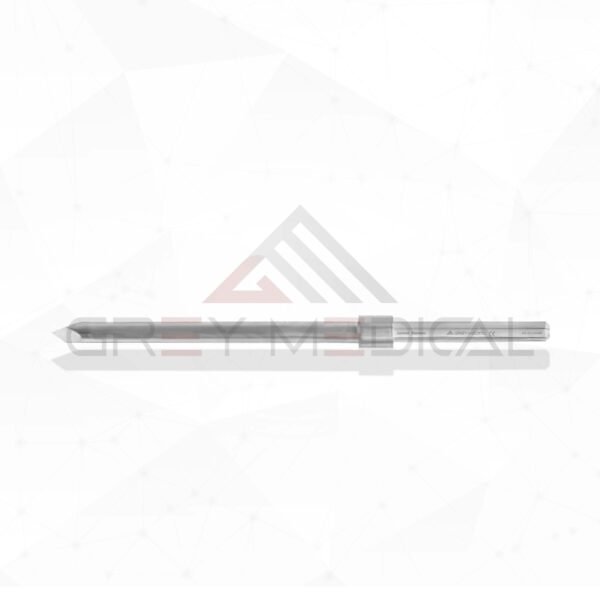
Orthopedic procedures demand control, accuracy, and dependable instruments at every step. When surgeons treat fractures, correct alignment, or support fixation during complex procedures, even a small instrument can play a major role in the final outcome. A bone pin is one of those essential tools, valued for its ability to help stabilize bone structures while supporting careful surgical technique. Its role is especially important in cases where secure placement and precise handling can affect healing, alignment, and procedural efficiency.
Grey Medical’s Commitment to Surgical Excellence
GREY MEDICAL: Welcome to Grey Medical, your trusted partner in premium-quality surgical instruments. With decades of experience in the medical industry, we pride ourselves on delivering precision-crafted tools designed to meet the rigorous demands of surgeons, doctors, and medical professionals worldwide. This commitment to quality reflects the needs of modern surgical teams, who depend on reliable instruments in high-pressure settings. In orthopedic care, where stability and exact positioning are essential, instrument design and craftsmanship can directly support better workflow and consistent clinical performance.
The Function of Bone Pins in Surgical Stabilization
In orthopedic surgery, stabilization is a core part of treatment. Fractured or repositioned bone must often be held in place so the surgeon can maintain alignment during fixation or healing support. A bone pin helps serve this purpose by offering temporary or permanent assistance in securing bone clamp segments during selected procedures. Its use can improve control in the operating field and help the surgeon work with greater confidence when precise structural support is needed.
Supporting Alignment During Fracture Management
Fracture care often involves more than joining broken pieces together. Surgeons must restore the natural position of the bone, protect surrounding tissue, and create conditions that support proper recovery. In this setting, a bone pin can assist with alignment by holding bone fragments in a stable position while additional fixation methods are applied. This added control helps reduce unwanted movement during the procedure and supports a more accurate surgical approach.
Designed for Accuracy and Controlled Handling
Surgical precision depends not only on skill, but also on the quality and feel of the instrument in hand. Orthopedic specialists need tools that respond well, maintain strength under pressure, and allow careful placement in demanding conditions. A well-crafted bone pin is designed to support this level of performance by combining structural reliability with practical surgical handling. That balance helps surgeons carry out delicate maneuvers with steadiness and control, especially when working in confined or sensitive anatomical areas.
Material Quality and Performance Reliability
Orthopedic instruments are used in environments where strength and durability are non-negotiable. Repeated sterilization, regular handling, and exposure to demanding surgical conditions require materials that can maintain integrity over time. For that reason, a bone pin must be manufactured with attention to quality, finish, and consistency. Reliable construction helps ensure the instrument performs as expected during procedures, giving medical teams confidence in both safety and surgical efficiency.
A Trusted Instrument in Modern Orthopedic Practice
Bone stabilization tools remain central to many orthopedic procedures because they support both immediate surgical goals and long-term treatment success. Whether used during fracture reduction, fixation support, or alignment management, these instruments help create the stability needed for careful surgical work. Grey Medical understands the value of precision-crafted orthopedic tools and continues to serve medical professionals who expect lasting quality and dependable performance. For surgeons focused on accuracy, stability, and consistent results, the bone pin remains an important part of effective orthopedic care.
Conclusion
Orthopedic surgery depends on instruments that help surgeons work with accuracy, confidence, and control. From fracture management to surgical stabilization, bone pins play a practical role in maintaining alignment and supporting precise technique throughout the procedure. Grey Medical stands behind the need for dependable craftsmanship in every instrument offered to healthcare professionals. Choosing high-quality surgical tools is a simple but important step toward better handling, smoother procedures, and stronger clinical performance.
Report this wiki page